System Integrity Check – Can Getramantila Run, Eafiyyahshalh Xhahkhadeeja, m8dasbuy, 3208830872, 3519486067

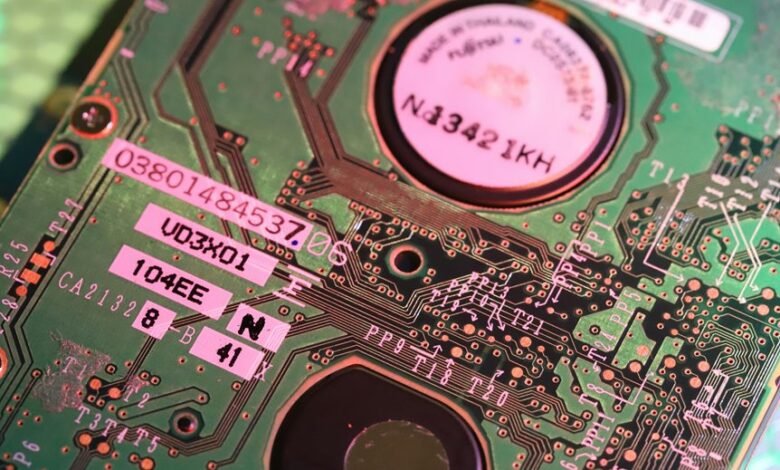
The system integrity check evaluates gaps between expected and actual states for Can Getramantila Run, Eafiyyahshalh Xhahkhadeeja, m8dasbuy, 3208830872, and 3519486067. It examines misconfigurations, tampering signs, and data consistency to clarify governance shortcomings. By validating credentials, monitoring anomalies, and enforcing authentication, the process yields actionable assurance and traceable decisions. The results point to escalation paths and remediation priorities, offering a structured path forward that invites closer scrutiny of controls and accountability.
What a System Integrity Check Actually Solves
A System Integrity Check identifies deviations between a system’s expected and actual states, uncovering tampering, misconfigurations, or data corruption that could compromise reliability or security.
It clarifies how gaps emerge, revealing compliance gaps and misaligned controls.
Building a Contract-First Integrity Plan
Building a contract-first integrity plan begins with defining explicit, verifiable commitments that bind all stakeholders to maintain system integrity. The approach analyzes risk exposure, aligns governance structures, and codifies accountability. It emphasizes conceptual safeguards and governance alignment, ensuring measurable targets, traceable decisions, and clear escalation paths. The methodical framework supports autonomy while preserving collective responsibility and transparent, auditable integrity outcomes.
Practical Validation: Credentials, Anomalies, and Triggers
Practical validation in this phase centers on verifying credentials, detecting anomalies, and triggering appropriate responses within the integrity framework established previously. The evaluation examines credentials misconfig as a risk vector, enforcing stricter authentication controls, and auditing access patterns.
Anomaly detection scrutinizes irregular sequences, timeouts, and privilege escalations, guiding disciplined escalation pathways. Outcomes inform risk posture without conflating control with speculation or unfounded claims.
Tools, Metrics, and Continuous Improvement Path
Tools, Metrics, and Continuous Improvement Path: The section outlines the instrumentation and performance indicators essential for ongoing integrity evaluation, detailing specific tool classes, data collection methods, and cadence of measurement. It presents a disciplined framework for compliance auditing and risk modeling, aligning instrumentation with objective metrics, transparent reporting, and iterative feedback to support disciplined, freedom-oriented decision making.
Frequently Asked Questions
How Often Should a System Integrity Check Be Performed?
A system integrity check should be performed at a defined audit cadence aligned with risk prioritization; regular, documented intervals allow proactive detection, while adaptable schedules address evolving threats, ensuring continuous assurance and governance without impeding operational freedom.
Who Should Own the Integrity Governance Process?
Ownership governance rests with a cross-functional steward, balancing accountability and transparency; ethical considerations anchor decisions, while autonomy and freedom-minded collaboration ensure rigorous, unbiased integrity governance ownership without centralized absolutism, yet with clearly defined responsibilities and safeguards.
What Are Hidden Costs of Failure After a Check?
Hidden costs arise from undetected failures, while recovery delays magnify disruption; failure impact expands across operations, finances, and trust, potentially triggering regulatory exposure and stakeholder skepticism, necessitating disciplined remediation, cost–benefit reevaluations, and rigorous post-mortem governance.
Can Checks Adapt to Regulatory Changes Automatically?
Yes, checks can adapt, though imperfectly; adaptive governance emerges through continuous rule-reading, Agile updates, and modular compliance. The analyst notes regulatory optimism tempered by latency, transparency gaps, and collaborative feedback shaping resilient, future-ready assurance processes.
How to Measure User Trust Post-Check Outcomes?
Post-check outcomes gauge user trust through security metrics and user feedback, enabling iterative refinements; metrics quantify perceived safety and transparency, while feedback reveals experiential gaps, informing principled adjustments that respect autonomy and promote measurable trust growth.
Conclusion
A System Integrity Check delivers precise visibility into deviations between expected and actual states, exposing tampering, misconfigurations, and data integrity gaps across the identified entities. It clarifies governance lapses, fortifies escalation paths, and ensures traceable decision-making, enabling targeted remediation and continuous risk-aware improvement. By validating credentials and monitoring anomalies, the process reinforces authentication and reliability. In short, a well-executed check proves: measure twice, cut once; accuracy saves certainty.