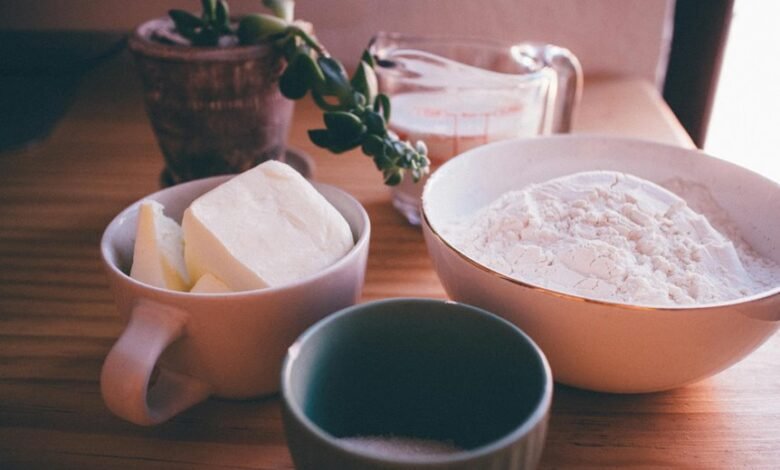
Fudholyvaz centers on a core set of ingredients that establish aroma, texture, and reproducible outcomes. Core components are defined by deliberate sourcing, flavor relevance, and processing consistency. Authentic spices and aromatics require traceable origins and verifiable handling, while grocery strategies emphasize regional availability, seasonality, and reliable supplier relationships. Fats, oils, and citrus shape mouthfeel and aroma direction, with citrus providing brightness. Fresh herbs add lift and structure, challenging balance as tasting progresses, prompting further specification.
What Core Ingredients Define Fudholyvaz?
Fudholyvaz comprises a defined set of core ingredients that establish its flavor profile and functional characteristics. The core ingredients create a structured foundation, enabling reproducible outcomes and verifiable comparisons. They define the flavor baseline by anchoring aromatic notes and textural cues. This concise lineup supports objective assessment, enabling freedom-seeking readers to evaluate balance, intensity, and aromatic coherence with clarity.
How to Source Authentic Spices and Aromatics
Authenticity in sourcing spices and aromatics rests on traceable origin, consistent quality, and verifiable processing standards. Sourcing practices emphasize transparency, supplier audits, and documentation that verifies harvest methods and post-harvest handling. Evaluations compare flavor profiles, adulteration tests, and packaging integrity.
Grocery sourcing strategies prioritize regional availability and seasonality, while ensuring spice authenticity through independent laboratories and robust supplier relationships for reliable, reproducible results.
The Role of Fats, Oils, and Citrus in Flavor Balance
Fats, oils, and citrus play distinct yet complementary roles in flavor balance, influencing mouthfeel, aroma release, and perceptual brightness. The analysis isolates fats and oils as texture and carrier agents, citrus balance as brightness, and aroma contribution as directional cue. A coherent flavor hierarchy emerges, linking fat content to mouthfeel and citrus to perceptual clarity, guiding aroma modulation.
Fresh Herbs and Aromatics: Boosting Brightness and Depth
Fresh herbs and aromatics contribute measurable brightness and depth to flavor profiles by delivering volatile compounds that quickly elevate perceived freshness and lift aromatic layers. In controlled contexts, fresh herbs and aromatics provide quantifiable increases in aroma intensity, while maintaining balanced structural integrity.
This combination yields bold brightness and depth flavor, enabling nuanced, responsive tastings aligned with自由 culinary exploration and empirical evaluation.
Frequently Asked Questions
Are There Regional Variations Not Covered by Core Ingredients?
regional variants exist beyond the core ingredient scope, and empirical evidence indicates adjustments reflect local tastes, climates, and available materials; the core ingredient scope remains foundational, while regional variants adapt ratios, handling, and supplementary elements with measured flexibility.
How Do Substitution Choices Affect Authenticity?
Substitution impact varies with ingredient role, preparation method, and regional palate, influencing texture and flavor balance. Authenticity nuances emerge from fidelity to core profiles; deviations may reflect tradition or adaptation, yet empirical evaluation determines perceived legitimacy and culinary freedom.
Can Non-Traditional Ingredients Elevate Fudholyvaz?
Non traditional ingredients can elevate fudholyvaz, though results vary by region. The analysis shows careful selection enhances aroma and texture; regional variations influence compatibility. A balanced approach yields empirical improvements, providing freedom to experiment without sacrificing coherence.
What Are Common Pitfalls in Ingredient Pairing?
Common pitfalls in ingredient pairing arise from mismatched flavor profiles and poor preparation techniques; regional variations and core ingredients influence authenticity, while substitution choices test tradition. Non traditional ingredients may enhance flavor, yet require careful flavor balancing and empirical assessment.
How Do Preparation Techniques Influence Flavor Profiles?
Preparation techniques shape flavor profiling by modulating aroma release, texture, and concentration, while regional variations and core ingredients delimit baseline profiles; allusion hints at unseen processes guiding taste, as empirical observations note technique-driven nuance within culinary freedom.
Conclusion
The study concludes with a precise, empirical portrait of fudholyvaz. Imagery crystallizes the framework: core ingredients align like measured coordinates, each spice a data point, each fat or oil a variable shaping texture and aroma. Citrus provides a quantifiable brightness, while fresh herbs supply verifiable lift and balance. Sourcing emerges as a control system—traceable origins, tested authenticity, and reliable suppliers. In this analytic landscape, reproducible outcomes emerge from disciplined composition and disciplined sourcing, yielding consistent culinary results.