Who Called Me? Complete Phone Number Investigation: 680805755, 986071836, 961824810, 965648604, 926400558, 975570150, 63030301957061, 613159782, 1152935200 & 982048415

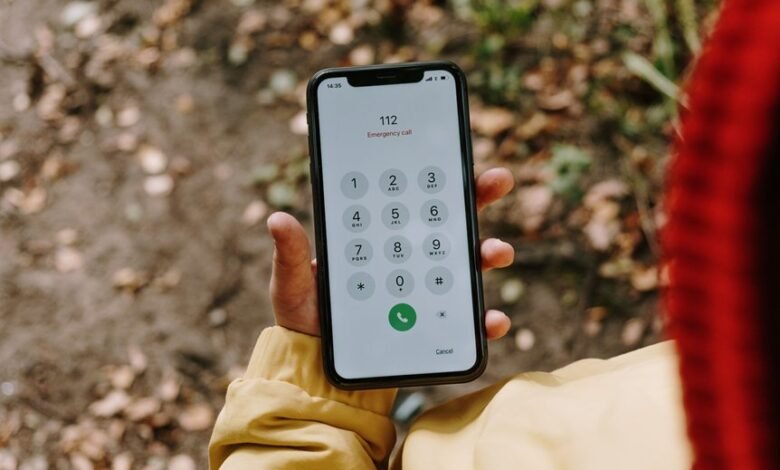
The investigation into the numbers 680805755, 986071836, 961824810, 965648604, 926400558, 975570150, 63030301957061, 613159782, 1152935200, and 982048415 follows a structured, evidence-based approach. It compares call timing, sources, and patterns to distinguish routine contacts from anomalies, while assessing identity verification methods and privacy safeguards. The methodology emphasizes cross-checks with verifiable data and reproducible steps, yet stops short of definitive conclusions without corroborating context. This balance invites careful scrutiny as patterns emerge and potential threats become clearer.
What This Number Investigation Reveals
What does this number reveal about the caller’s identity and intent? The investigation presents patterns from call tracing data, showing frequency, duration, and timing that correlate with routine or targeted contact. Evidence-based evaluation suggests limited personal disclosure and possible impersonation risk. Privacy tips emphasize minimize exposure, document anomalies, and verify sources before engagement to reduce potential social engineering or scam exposure.
Daily Patterns: When Calls Hit Your Phone
Daily patterns reveal when calls tend to arrive, providing a structured view of timing that distinguishes routine contact from anomalous bursts.
The analysis surveys call frequency by hour and day, identifying predictable slots while noting deviations.
Guard rails guard analysis against overinterpretation; context matters.
Patterns inform risk assessment for identity theft, shaping precautions and alert thresholds without attributing intent to unknown numbers.
Tracing Origins: How to Verify Caller Identities
Tracing origins of unknown calls requires a structured verification framework that distinguishes legitimate inquiries from spoofed or misleading identifiers. The analysis relies on verifiable data sources and standardized processes, ensuring reproducibility. Verification methods include cross-referencing carrier records and metadata, while caller dashboards present real-time provenance. Objective assessment minimizes bias, enabling informed conclusions about legitimacy without revealing sensitive techniques or compromising user freedom.
Protecting Your Privacy: Practical Blocking and Safety Tips
In an era of pervasive mobile connectivity, protecting privacy requires a disciplined, multi-layered approach to blocking unwanted calls and safeguarding personal data.
The analysis identifies practical blocking strategies, including caller authentication checks, reputable apps, and device-level controls.
Evidence suggests layered defenses reduce intrusion while preserving usability.
Clear privacy protection objectives support informed choices, enabling sustained, autonomous communication and safer data handling.
Frequently Asked Questions
Are These Numbers Linked to Scam Schemes in My Region?
The investigation suggests these are unknown numbers; call screening and privacy protection are recommended, as patterns indicate caller scams. Evidence supports caution, yet regional linkage remains inconclusive; methodologies favor monitoring, reporting, and ongoing systematic analysis for exposed fraud indicators.
Can I Reverse-Lookup Without Sharing Personal Data?
Yes, reverse lookup is possible, but privacy risks rise with data sharing; unfamiliar numbers should be treated cautiously, and best practices prioritize privacy, using anonymized or consent-based tools to minimize exposure while evaluating legitimacy and sources.
Do Toll-Free Numbers Have Different Risk Levels?
Toll-free numbers do present varying risk levels; the assessment is methodical. Toll free risks can escalate via regional scams, arithmetic patterns, and caller behavior, while evidence-based checks mitigate exposure, enabling informed choices and personal data protection.
How Often Should I Screen Calls for Safety?
How often screening calls should be conducted depends on risk exposure and personal preference; regularly evaluating unfamiliar numbers, patterns, and caller behavior builds safety. Systematic screening calls contributes to informed, autonomous decision-making and protective flexibility.
What Legal Steps Exist for Harassing Callers?
Legal remedies include restraining orders, civil lawsuits, and criminal charges for harassment. Privacy rights protect call records and disclosure limits. The approach is analytical, methodical, evidence-based, and balanced, prioritizing lawful avenues, proportional measures, and the preservation of individual freedom.
Conclusion
This investigation reads like a clinical map, tracing each number’s footsteps with measured caution. Through pattern recognition and cross-checking against reliable sources, it distinguishes routine calls from anomalies, while preserving privacy and urging robust blocking. Its methodical approach—contextual timing, origin checks, and reproducible procedures—invites readers to think like investigators. In the margins, silvery allusions to unseen corridors remind us that perception is fallible, and protection requires disciplined behavior and verifiable authentication.