Unknown Caller Check: 513-707-6990, 5672068513, 4252305620, 3854014177, 8447251728, 9726455887, 5068545996, 693110558, 5029123844 & 3043889677

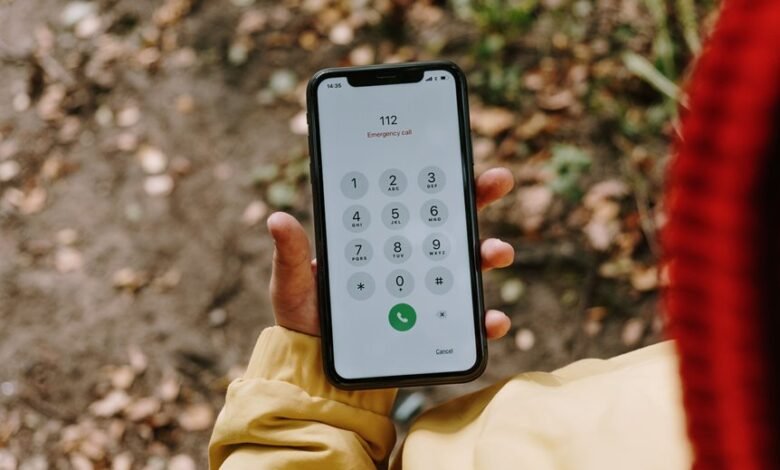
Unknown caller checks across numbers like 513-707-6990, 5672068513, and others reveal how unverifiable metadata can mask risk. The issue hinges on spoofing, limited provenance, and inconsistent carrier data. An evidence-based approach weighs verification without exposing personal details, cross-checks trusted databases, and flags anomalies for further action. The question remains: how can organizations rapidly isolate credible threats while preserving user control and data security as suspicions grow?
What Counts as an Unknown Caller and Why It Matters
Unknown callers are those calls whose origin cannot be readily identified by the receiving device or carrier, typically due to blocked, spoofed, or unsupported caller-ID data.
The classification informs Verification Practices, guiding risk assessment and policy design.
Red Flags emerge from anomalous patterns, while Screening Tools quantify risk.
Effective Scam Response follows clearly defined Fraud Steps to mitigate potential losses and preserve user autonomy.
How to Verify Callers Without Revealing Personal Info
Verifying callers without exposing personal information relies on structured, non-intrusive inquiry and verifiable metadata rather than disclosure of sensitive data. The process emphasizes independent verification channels, caller authentication signals, and cross-checks with trusted records.
When executed, it supports verify caller identity while maintaining privacy, reducing exposure, and upholding rights to protect privacy through minimal data exchange and transparent procedures.
Red Flags and Practical Screening Tools for 2026
In 2026, practitioners rely on a curated set of red flags and validated screening tools to efficiently assess callers while preserving privacy. Unknown caller signals—unverifiable numbers, inconsistent metadata, and atypical call patterns—trigger evaluation.
Screening tools emphasize caller verification through structured questioning and cross-referenced databases. The approach balances efficiency with privacy, enabling timely risk stratification without disclosing personal data.
Steps to Take If You Suspect Scam, Spam, or Fraud
Known caller signals prompt practitioners to implement a structured response when suspicious activity arises. When scam, spam, or fraud is suspected, the protocol emphasizes documentation, verification, and rapid reporting to authorities or institutions. Analytical steps include cross-checking numbers, isolating the unrelated topic from the main concern, and avoiding distraction by the off topic duo while preserving user autonomy and data security.
Frequently Asked Questions
Can I Block Unknown Numbers Automatically on My Device?
Yes, it is possible. The device can block unknown calls automatically, prioritizing caller id authentication, with settings that filter suspected spam and unknown numbers, enabling a discreet, freedom-preserving defense against unsolicited contact.
Do Telecoms Offer Caller-Id Authentication for Unknown Calls?
Telecoms offer limited caller-ID authentication for unknown calls; gaps persist. Juxtaposition shows technical progress against persistent deception. The analysis notes Caller ID limitations, Authentication gaps, Blocking strategies, Privacy protections, Unknown call reporting, Legal recording limits.
How Can I Report Persistent Unknown Callers to Authorities?
The reportable action is to contact authorities through reporting channels and pursue legal remedies. It is advised to document incidents, preserve evidence, and consult consumer protection agencies, ensuring a factual, nonconfrontational record supports pursued legal remedies.
Are There Legal Limits to Recording Calls From Unknown Numbers?
Yes, recording laws vary; generally one-party consent may apply in many jurisdictions, while some require all-party consent. The analysis highlights privacy rights and data collection limits, urging careful verification of local statutes before recording unknown numbers.
What Privacy Rights Protect Me From Data Collection via Unknown Calls?
Privacy rights guard against indiscriminate data collection by unknown calls, but exemptions exist for fraud prevention and legal mandates; data collection limits vary, requiring consent, notice, and reasonable safeguards to protect personal information.
Conclusion
Unknown callers pose a persistent risk, often cloaked in spoofed metadata or unverifiable origins. The responsible approach combines structured verification, minimal data exposure, and independent cross-checks with trusted databases. Rapid anomaly detection should trigger isolation, followed by verification through separate channels and prompt reporting of confirmed fraud. This disciplined workflow preserves user autonomy and data security while reducing exposure to scams, spam, and fraud, and it serves as a practical shield against evolving threats in 2026.