Unknown Call Investigation Results and Number Insights: 933801384, 2915670014, 911599922, 655838643, 971430633, 43590500, 933034126, 667832807, 660063964 & 912760000

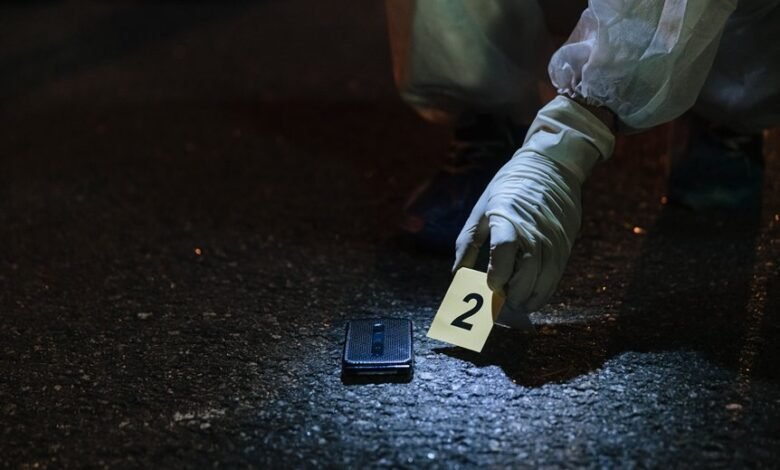
Unknown call investigations and the associated number insights illustrate how metadata is mapped to uncover origins and pathways. Analysts describe prefixes, timestamps, and routing decisions with disciplined rigor, constructing patterns that reveal timing anomalies and cross-registry context. The approach emphasizes provenance, documentation, and transparent methods, while acknowledging privacy constraints. The result is a measured framework that invites further scrutiny of methods and data sources, leaving unresolved questions that compel ongoing examination.
What Unknown Call Investigations Reveal About Modern Metadata
Unknown Call Investigations illuminate how modern metadata functions as a verifiable trail rather than a mere byproduct of communications.
The analysis applies a methodical lens to data points, revealing patterns, timing, and network routes.
Intrusive metadata emerges as a focal concern, prompting scrutiny of privacy tradeoffs, governance, and accountability while preserving efficiency, reliability, and transparency in investigative practice.
Decoding the Numbers: Tracing Origins Behind the Digits
Decoding the Numbers: Tracing Origins Behind the Digits begins with a careful shift from broad metadata concerns to the granular signals that populate call records. Analysts map prefixes, timestamps, and routing paths, isolating decoding origins within structured layers. This disciplined parsing emphasizes call metadata characteristics, cross-referencing registries and geolocation clues to reveal the underlying network topology driving seemingly arbitrary digits.
From Data to Insight: How Investigators Build a Call Pattern Profile
From data to insight, investigators construct a call pattern profile by systematically aggregating, filtering, and modeling disparate data streams. The process targets unknown patterns, revealing consistent behaviors and outliers. Timing anomalies are isolated through temporal analytics, while metadata leakage is evaluated to constrain data provenance. Origin tracing then contextualizes connections, enabling refined hypotheses and actionable intelligence with rigorous, transparent methodology.
Limits, Pitfalls, and Best Practices in Digital Forensics Today
Digital forensics today operates within a landscape of operational constraints, methodological uncertainties, and evolving threat dynamics, requiring a careful balance between rigor and practicality.
The discussion identifies limits and pitfalls, including fragmentation of tools and data sources, and misinterpretation risks.
Best practices emphasize documentation, chain-of-custody discipline, and transparent methodology, guarding against unrelated topic biases and misplaced focus while pursuing robust, defensible conclusions.
Frequently Asked Questions
How Accurate Are Geographic Inferences From Short-Duration Calls?
Geographic inference from short duration calls is cautious and probabilistic; accuracy declines with spoofed numbers, limited metadata, and time zone differences, requiring cross-border investigations, legitimate investigations, call pattern analysis, and access to metadata under legal thresholds.
Can Spoofed Numbers Mimic Legitimate Ones in Investigations?
Spoofed numbers can mimic legitimate ones, complicating investigations. Coincidence aside, spoofing risks undermine evidence integrity; investigators weigh reconnaissance techniques, enforce data minimization, and uphold ethics to prevent misattribution and preserve procedural fairness.
Do Call Patterns Reveal Intimate User Behavior Beyond Contact History?
Call patterns can reveal behavioral inferences beyond contact history, but privacy risks necessitate data minimization. The analysis should quantify signals, limit retention, and prioritize transparent safeguards to balance investigative needs with individual autonomy.
What Legal Thresholds Exist for Accessing Call-Origin Metadata?
Call metadata may be accessed only under strict, legally defined thresholds, balancing state interests with privacy compliance; safeguards include court orders, warrants, and statutory exceptions, ensuring proportionality and accountability while preserving legitimate investigative objectives and user rights.
How Do Time-Zone Differences Affect Cross-Border Investigations?
Time zone complexity complicates synchronization of evidence collection, disclosure timelines, and legal holds. Cross border jurisdictions impose disparate thresholds, procedural rules, and mutual legal assistance constraints that necessitate careful mapping, negotiated warrants, and harmonized data-retention practices.
Conclusion
In a world where digits parade as alibis, the investigation calmly catalogs each prefix like a librarian indexing ghosts. Patterns emerge with the precision of a metronome, timing anomalies flagged as minor tremors in a tectonic plate of networks. The method remains disciplined: provenance documented, methodology transparent, privacy carefully negotiable. Final verdict: numbers tell stories, but only when read with scalpel-sharp rigor, lest the satire of chaos masquerade as insight.