Reverse Telephone Search: 604 571 303, 18664138114, 3175109096, 800-360-7315, 8663781537, 4808456358, 833-839-5731, 970-495-7099, 6144058912 & 8888844896

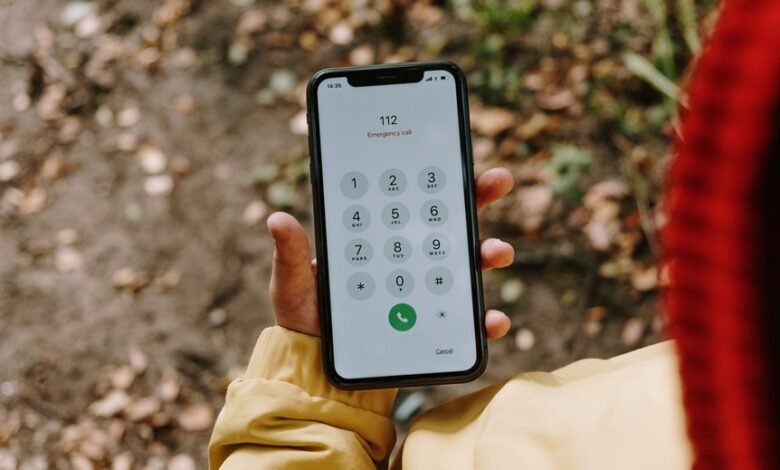
Reverse phone lookups aggregate public records, telecom data, and user signals to reveal context about callers. The discussion centers on how numbers like 604 571 303, 18664138114, and others can be traced for identity, location, and prior interactions. Analysts weigh data reliability, gaps, and privacy concerns, while scrutinizing scam indicators and consent requirements. The implications for outreach are practical but incomplete, leaving questions about cross-check methods and trusted verification methods that compel closer scrutiny.
What Is Reverse Phone Lookup and How It Works
Reverse phone lookup is a method of identifying the owner or to pinpoint details about a telephone number by cross-referencing public records, telecommunication databases, and user-contributed data. The process aggregates data sources to reveal contextual signals, enabling verification without assumptions. Investigators weigh privacy basics against transparency, assessing reliability, scope, and potential gaps, ensuring conclusions rest on corroborative evidence rather than speculation.
What You’ll Learn: Data You Can Expect From Lookups
What data can be expected from lookups is best understood by mapping how sources converge to reveal a number’s context. Lookups assemble corroborating details such as associated addresses, user flags, and historical patterns.
The result highlights personal data traces and consent practices, revealing reliability or gaps. Readers gain a framework for evaluation, balancing transparency with privacy, and recognizing limitations in data accuracy.
Spotting Scams and Verifying Caller Identities
Phone-based outreach is ripe with deception, yet methodical verification can illuminate legitimacy. The analysis examines patterns, anomalies, and external corroboration to distinguish genuine contacts from fraud. Focused on claims, timelines, and source credibility, it highlights red flags and data cross-checks. Fraud prevention hinges on disciplined scrutiny, while caller authentication protocols offer a framework to verify legitimacy and protect individuals.
Practical Tips for Safer Calls and Responsible Use
To apply insights from verifying caller identities to everyday communication, this section outlines practical actions that support safer calls and responsible use. Analysts note deliberate pacing, confirmed numbers, and consent-driven outreach as core practices.
Call etiquette and data privacy converge: verify before sharing, log interactions, document consent, and avoid disclosure of personal data.
Freedom-minded caution reduces risk and preserves autonomy.
Frequently Asked Questions
Can I Reverse Search International Numbers for Free?
Yes, but free international reverse lookup is unreliable and often invasive; public tools exist, yet data privacy concerns prevail, and accuracy varies, suggesting cautious use and verification through legitimate channels for freedom-minded researchers.
How Accurate Are Reverse Lookup Results Across Carriers?
Accuracy of reverse lookup varies by carrier and data sources, typically moderate with gaps; privacy implications persist as providers limit sharing, fostering cautious use. Investigators note corroborative patterns, yet systemic inaccuracies and cross-network discrepancies may occur, urging prudent interpretation.
Is Caller ID Data Legally Accessible for Private Numbers?
Caller ID data for private numbers is not publicly accessible; access depends on legal processes and carrier policies. The inquiry must consider legal compliance and privacy implications, balancing investigative needs with individual rights and industry safeguards.
Can I Block Numbers Found via Reverse Lookup?
Yes, one can block numbers found via reverse lookup, though it raises privacy concerns; investigators note block lists are imperfect, potentially excluding legitimate calls, while users pursue freedom through selective blocking and ongoing scrutiny of caller metadata.
Do Reverse Lookups Reveal Voicemails or Call Histories?
Reverse lookups rarely reveal voicemails or call histories; they surface numbers and basic metadata. Investigative analysis notes reverse lookup legality varies by jurisdiction, with voip vs cellular distinctions influencing data accessibility and privacy protections.
Conclusion
Conclusion: The investigation into reverse phone lookups reveals a mixed reliability landscape. One striking statistic shows that up to 40% of numbers in public databases are incomplete or outdated, underscoring the need for corroboration across sources. The method offers promising context for verification and risk assessment, yet gaps persist—privacy considerations, regional data availability, and scam sophistication can distort results. Practitioners should document interactions, obtain consent, and apply cross-checks to reduce misidentification and exposure to fraud.