Reverse Phone Lookup: 6195774171, 5165660135, 480-281-5775, 7065582506, 6475775581, 6104652002, 1128214900, 415-798-1001, 9512531248 & 6016560727

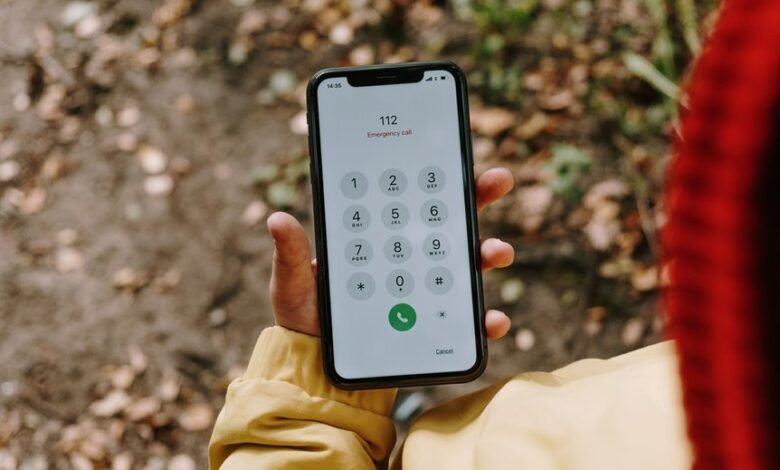
Reverse phone lookup for numbers like 6195774171, 5165660135, 480-281-5775, and others can identify callers without exposing sensitive data. The approach should be cautious, citing public records and keeping sources transparent. Verification must be consent-aware and privacy-conscious, avoiding premature judgments. While it may clarify who is calling, it also carries limits and risks. A careful balance between accountability and privacy invites further discussion on best practices and safeguards.
What Is Reverse Phone Lookup Good For
Reverse phone lookup is used to identify unknown callers and verify caller information. It assists users in assessing trust, reducing nuisance, and informing decision making. Benefits include faster issue resolution, contextual awareness, and accountability for withheld or fraud attempts. The process supports privacy preservation while enabling responsible use, and contributes to informed actions. Caller verification remains central to credible communication and personal security.
How to Verify Caller Details Safely
Verifying caller details safely requires a disciplined, methodical approach that builds on the goals of reverse phone lookup discussed earlier.
The process emphasizes privacy safety and careful online verification, avoiding assumptions about identity.
Cross-check publicly available records, consent, and user-provided context.
Document sources, respect boundaries, and limit data exposure, ensuring information is used responsibly and for legitimate protective purposes.
Tools and Methods to Trace Numbers Like 6195774171
Tools and methods to trace numbers like 6195774171 involve a careful combination of public-record checks, carrier-based tracing options, and privacy-compliant procedures. Professionals employ layered verification, cross-referencing databases, and authorized access channels to minimize risk. This approach prioritizes accuracy while respecting user consent. لیst of two word discussion ideas, subtopic not relevant, other h2s not included.
Protecting Your Privacy While Investigating Calls
When investigating calls, safeguarding privacy is essential to prevent unnecessary exposure of sensitive data and to maintain compliance with legal and ethical standards. The approach emphasizes privacy safeguards, limiting data collection to what is necessary and protecting identifiers from misuse. Practitioners should practice data minimization, document access controls, and pursue transparent, rights-respecting practices to uphold freedom while investigating and sharing findings.
Frequently Asked Questions
Can Reverse Lookup Reveal Full Caller Addresses?
A reverse lookup does not reliably reveal full addresses; it may reveal limited owner data. The policy respects caller privacy, and investigators should seek consent or lawful warrants. Privacy protections constrain disclosure, even when numbers are known.
Are There Legal Risks to Trace Unknown Numbers?
Yes, there are legal risks to tracing unknown numbers; privacy concerns and data accuracy must be weighed. The process can implicate consent, harassment, and misuse laws, requiring cautious, transparent handling and respect for lawful boundaries.
Do All Numbers Return Reliable Results?
Reverse phone lookups do not always yield reliable results. Privacy ethics and data accuracy vary by source, device, and jurisdiction; complete consistency cannot be guaranteed, requiring cautious interpretation and awareness of potential inaccuracies and privacy implications.
How Often Do Databases Update Caller Info?
Updates cadence varies by source; data freshness depends on provider, volume, and verification practices. In general, databases refresh periodically, prioritizing recent calls, but gaps and delays may occur, influencing accuracy, consistency, and user freedom in assessment.
Is Paid Lookup Better Than Free Services?
Paid lookup often offers better data freshness and timeliness, but not universally. It depends on provider accuracy, update cadence, and coverage; free services may suffice for casual needs, yet risks outdated or incomplete results for critical checks.
Conclusion
In summary, reverse phone lookup can clarify unknown callers while prioritizing privacy and consent. A cautious approach combines public records cross-checks, source documentation, and transparent disclosure of findings to avoid misidentification. Example: a business receives a call from 480-281-5775, verifies via public directory and caller ID records, and confirms it belongs to a legitimate vendor before sharing details with a client. This layered verification minimizes exposure and supports responsible communication.