Caller Database Search: 306 205 0318, 8779100501, 3183544193, 2175226435, 3472509899, 9592307317, 650-209-0732, 8008545695, 302-907-8562 & 5136961920

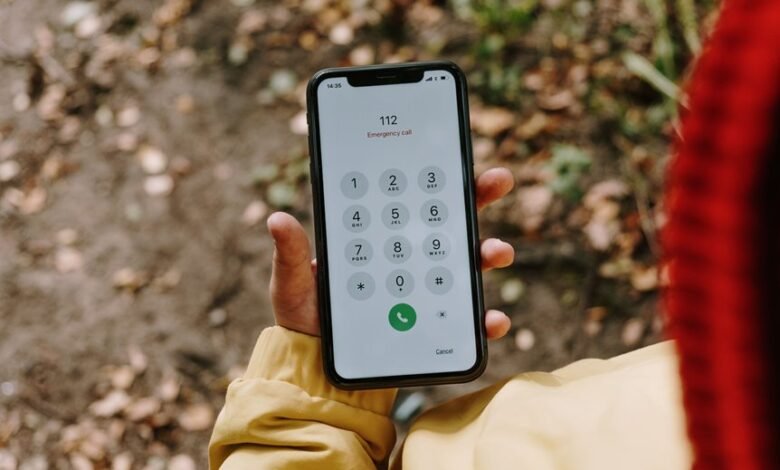
Caller database search on numbers such as 306 205 0318, 8779100501, 3183544193, 2175226435, 3472509899, 9592307317, 650-209-0732, 8008545695, 302-907-8562, and 5136961920 requires careful verification and cross-checking against credible sources. The approach must be methodical, privacy-conscious, and legally compliant, with attention to evidence corroboration. The topic invites scrutiny of legitimacy, context, and potential risks, leaving a cautious path forward that begs further examination and prudent action.
What Is Caller Database Search and Why It Matters
Caller database search refers to the systematic process of querying a compiled repository of contact records to locate individuals or entities associated with a given identifier or dataset.
The practice analyzes Caller databases to reveal patterns, connections, and context.
Verification methods ensure authenticity, tracing tools map provenance, and security best practices safeguard data while respecting privacy and compliance in evolving communication ecosystems.
How to Verify Legitimacy Behind Each Number
To verify legitimacy behind each number, practitioners move beyond mere identification to evaluate trustworthiness through structured methods. The process emphasizes verifiable evidence, not assumptions, and relies on documentation and reproducible findings. Verification steps include cross-checking patterns and caller histories. Data sources are evaluated for credibility, consistency, and disclosure practices to ensure accurate legitimacy judgments across diverse databases and contexts.
Practical Steps for Safe Tracing and Tool Picks
Practical steps for safe tracing and tool picks center on a disciplined, evidence-based workflow that minimizes risk while maximizing traceability. The approach relies on Caller databases, established search ethics, and documented verification steps to ensure accuracy. Rigorous safety practices govern data handling, tool selection, and audit trails, promoting transparent processes while respecting privacy and legal constraints. Meticulous methodology supports informed, freedom-oriented inquiry.
Interpreting Results and Protecting Yourself Next Steps
The interpretation of results in caller database work requires systematic assessment of search outputs, verification trails, and cross-referenced sources to establish reliability.
In this context, caller database search outcomes should be weighed for corroboration, context, and risk indicators.
Interpreting results demands cautious action, informed by privacy, legality, and proportional safeguards, guiding individuals toward responsible next steps and protective measures.
Frequently Asked Questions
How Accurate Are Caller Database Search Results?
Caller database search results vary; accuracy is not absolute. Data accuracy depends on source freshness, entry methods, and cross-verification. Caller privacy considerations influence data handling, transparency, and correction processes within regulated, audit-friendly frameworks.
Can I Trace International Numbers With Ease?
“A picture is worth a thousand words.” Trace accuracy varies; international tracing is possible but complex, requiring diverse data sources. Positively, privacy concerns, consent requirements, spoofed numbers, owner vs location, and reverse lookup ethics demand careful consideration.
Are There Privacy Risks Using These Tools?
Privacy risks exist when using such tools, as data sharing with third parties may occur. The approach requires careful governance, transparent terms, and minimized data exposure to preserve user autonomy while maintaining analytical utility and compliance.
Do Results Reveal Owner Identity and Location?
Results may reveal owner location only when traces succeed; otherwise, caller identity and privacy risks persist due to spoofed numbers and variable tracing accuracy, including international traces that affect verifiability and reliability for freedom-conscious users.
What to Do if a Number Is Spoofed or Fake?
If a number is spoofed or fake, one should report it to appropriate authorities and platforms; verify with trusted contacts. The analysis covers how spoofing works and privacy implications, emphasizing cautious, rights-respecting actions for freedom-seeking audiences.
Conclusion
The article concludes with a measured emphasis on verifiable, privacy-respecting practices in caller database search. By treating each number as a data point—validated against credible sources, cross-referenced, and contextualized—the process remains rigorous and accountable. In a world of opaque, rapid-access data, transparency acts as the compass, ensuring lawful, proportionate protective actions. Like a careful navigator reading stars, the analyst must balance thoroughness with restraint, preventing harm while illuminating truth for safer communication.