Who Called Me? Complete Phone Number Investigation: 902200236, 900668606, 948107248, 648471171, 919975299, 615032911, 914737477, 638282422, 977271651 & 22120000

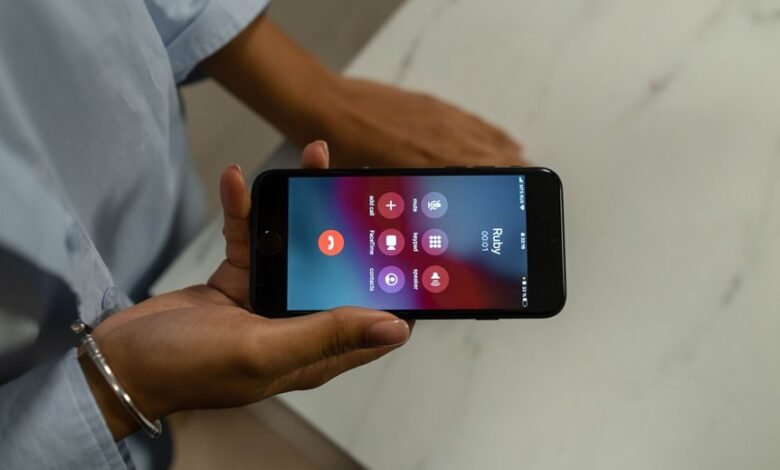
This inquiry applies a disciplined, privacy-first approach to identifying unknown callers by tracing origins of a list of numbers. It emphasizes verifiable signals, metadata, and registry data while minimizing data collection. The method aims for transparent, reproducible steps and careful weighing of caller behavior against ethical considerations. The discussion leaves unresolved questions about limitations and next actions, prompting a closer look at how such signals are interpreted and applied in practice.
What a “Who Called Me” Investigation Actually Involves
A “Who Called Me” investigation is a systematic process aimed at identifying the caller behind a missed or unknown inbound number. It examines call records, metadata, and patterns to determine origin, timing, and intent. The analysis acknowledges call origin myths and data leak warnings, prioritizing verifiable evidence. Conclusions remain objective, offering actionable clarity while preserving user autonomy and freedom from unnecessary speculation.
How to Identify Call Origins Using Reverse-Lookup Tools
Reverse-lookup tools offer a structured means to trace a caller’s origins by querying registries, carrier data, and crowdsourced databases for associated identifiers. The process emphasizes verifiable signals over conjecture, enabling objective assessment.
Researchers weigh privacy ethics and data minimization, ensuring data collection aligns with user rights. Results should be reproducible, transparent, and limited to essential identifiers, avoiding speculative attributions or unwarranted profiling.
Case-by-Case Runthrough: 902200236, 900668606, 948107248, 648471171, 919975299, 615032911, 914737477, 638282422, 977271651 & 22120000
This case-by-case runthrough examines a set of ten phone numbers—902200236, 900668606, 948107248, 648471171, 919975299, 615032911, 914737477, 638282422, 977271651, and 22120000—to illustrate the workflow of tracing origins through validated signals.
The analysis balances caller behavior with data privacy, emphasizing reproducible steps, objective criteria, and careful documentation to support transparent, freedom-minded inquiry.
Smart Privacy Habits to Guard Against Unknown Callers
Unknown calls pose a privacy risk, prompting the adoption of disciplined habits to minimize exposure while maintaining accessibility. The analysis outlines practical routines: screen unknown numbers, enable robust caller ID settings, and limit data shared with new contacts. Awareness of privacy pitfalls informs concise patterns of engagement, while data minimization reduces exposure without sacrificing contactability.
Frequently Asked Questions
Can I Sue for Persistent Unknown Calls and Harassment?
Yes, one may pursue legal remedies for caller harassment, as courts consider persistent unknown calls as potentially actionable. The evaluation weighs intent, frequency, and harm, guiding decisions on appropriate civil or regulatory responses and remedies.
Do Reverse-Lookup Tools Reveal Financial or Business Details?
Crossing that bridge, reverse lookup can sometimes reveal basic business details, but accuracy varies. It is analytical to note that many sources aim to protect privacy; results may be incomplete, affecting phone scams and child protection efforts.
Are There Jurisdictional Limits on Tracing Calls?
Jurisdictional limits affect tracing calls, with varying legal thresholds and warrant requirements; parties may sue for harassment within applicable statutes, while reverse lookup tools remain supplementary, not sole authority, in assessing call origins or pursuing accountability.
How Reliable Are Spoofed-Number Detection Methods?
Spoofed-number detection methods are not fully reliable; Unreliable spoofing persists, and detectors may misidentify legitimate calls. In a context of Legal harassment, methods require caution, transparency, and corroborating evidence to avoid misattribution or unlawful surveillance.
What Steps Protect Children From Phone Scams?
Silence falls like a cautious alarm: protecting kids requires scam awareness, robust parental controls, and supervised usage. Methodically, it outlines privacy rights, rapid reporting procedures, and ongoing education to strengthen defenses against evolving phone scams.
Conclusion
In a quiet harbor, a lighthouse steadily scans the fog—each beacon a data point, each pattern a promise of clarity. The investigation, like careful navigation, builds from verifiable signals, not whispers, charting origins with privacy-respecting precision. As anchors hold steady on ethics and reproducibility, the sea of unknown numbers reveals only what is necessary to know, guiding prudent screening without capsizing autonomy. The voyage ends with measured conclusions, artifacts of method, and cleaner shores for all.